
Nursing Care Plan for Anxiety
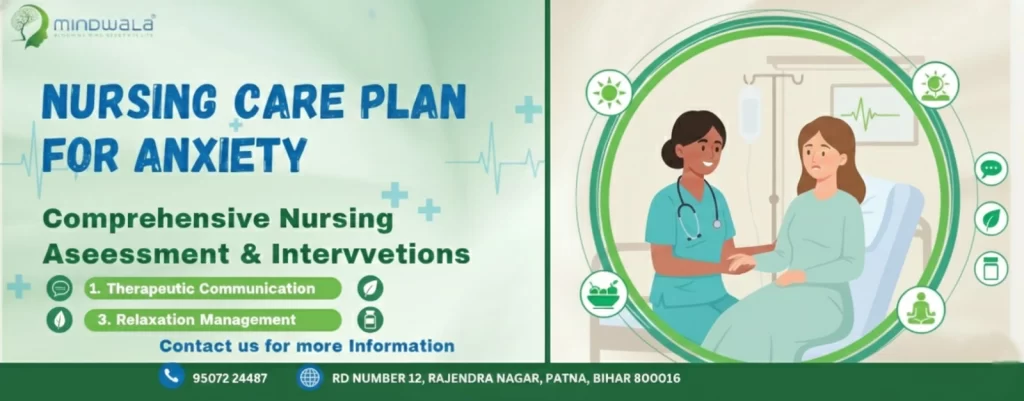
Anxiety disorders affect millions of patients worldwide, making effective nursing care plans essential for promoting patient wellbeing and recovery. As a healthcare professional, understanding how to develop and implement a comprehensive nursing care plan for anxiety can significantly improve patient outcomes and quality of life.
This guide provides a detailed, evidence-based approach to creating nursing care plans for anxiety, whether you’re managing anxiety in pregnancy, post-surgical anxiety, hospitalization-related stress, or general anxiety disorders.
Understanding Anxiety in Healthcare Settings
Anxiety is a normal emotional response characterized by feelings of worry, nervousness, or unease about an event or situation with an uncertain outcome. However, when anxiety becomes persistent, excessive, or interferes with daily functioning, it requires clinical intervention.
Common Types of Anxiety in Clinical Settings:
- Generalized Anxiety Disorder (GAD)
- Panic disorder and panic attacks
- Social anxiety disorder
- Situational anxiety (surgery, hospitalization, procedures)
- Pregnancy-related anxiety
- Labor and delivery anxiety
NANDA Nursing Diagnosis for Anxiety
The NANDA-I (North American Nursing Diagnosis Association International) approved nursing diagnosis for anxiety is essential for standardized care planning. The primary diagnosis is:
Anxiety – defined as a vague, uneasy feeling of discomfort or dread accompanied by an autonomic response; a feeling of apprehension caused by anticipation of danger.
Related Factors May Include:
- Threat to current status or health condition
- Situational or maturational crises
- Interpersonal transmission or contagion
- Unmet needs or threat to self-concept
- Unconscious conflict about essential values or goals
- Familial association or heredity
Comprehensive Nursing Assessment for Anxiety
A thorough assessment is the foundation of an effective anxiety nursing care plan. Nurses must evaluate both subjective and objective data to understand the patient’s anxiety level and its impact.
Subjective Data (Patient Reports)
- Expressed feelings of nervousness, worry, or fear
- Verbalizations of feeling overwhelmed or out of control
- Reports of difficulty concentrating or sleeping
- Concerns about specific situations (surgery, labor, procedures)
- Somatic complaints (chest pain, shortness of breath, nausea)
Objective Data (Observable Signs)
- Restlessness, pacing, or fidgeting
- Increased heart rate and blood pressure
- Rapid breathing or hyperventilation
- Trembling, sweating, or pallor
- Dilated pupils
- Poor eye contact or scanning behavior
- Difficulty following instructions or answering questions
The 5-Step Nursing Care Plan for Anxiety
An effective nursing care plan follows a systematic approach using the nursing process: Assessment, Diagnosis, Planning, Implementation, and Evaluation. Here’s a detailed breakdown of each component:
| Care Plan Component | Details |
|---|---|
| 1. Assessment | Gather comprehensive data about the patient’s anxiety symptoms, triggers, coping mechanisms, and physiological responses. Use standardized anxiety scales (GAD-7, Hamilton Anxiety Scale) when appropriate. |
| 2. Diagnosis | Formulate NANDA-approved nursing diagnosis: Anxiety related to [specific cause] as evidenced by [specific symptoms]. |
| 3. Planning | Establish measurable, time-bound goals with patient input. Set priorities based on anxiety severity and patient safety needs. |
| 4. Implementation | Execute evidence-based nursing interventions including therapeutic communication, relaxation techniques, patient education, and environmental modifications. |
| 5. Evaluation | Assess goal achievement, monitor patient progress, and modify the care plan as needed based on patient response and changing conditions. |
Nursing Goals and Expected Outcomes
Goals should be SMART: Specific, Measurable, Achievable, Relevant, and Time-bound. Here are evidence-based goals for anxiety management:
Short-Term Goals (Within 24-48 hours):
- Patient will verbalize understanding of anxiety and its triggers
- Patient will demonstrate at least one anxiety-reduction technique
- Patient will report anxiety level decrease from severe to moderate
- Vital signs will return to patient’s baseline within normal limits
Long-Term Goals (Prior to discharge):
- Patient will demonstrate effective coping strategies for managing anxiety
- Patient will maintain anxiety at manageable levels (mild or absent)
- Patient will verbalize plan for ongoing anxiety management
- Patient will identify support systems and resources for continued care
Evidence-Based Nursing Interventions for Anxiety
Implementing the right interventions is crucial for successful anxiety management. Here are proven nursing interventions with their rationales:
1. Therapeutic Communication and Support
- Use calm, reassuring approach: Maintain a composed demeanor to help reduce patient’s anxiety through modeling
- Practice active listening: Allow patient to express feelings without judgment; validate their emotions
- Acknowledge the patient’s anxiety: Recognition helps patient feel understood and supported
- Remain with the patient: Physical presence provides comfort and safety during acute anxiety episodes
2. Patient Education
- Explain all procedures and treatments: Knowledge reduces fear of the unknown and promotes sense of control
- Teach anxiety physiology: Understanding physical symptoms helps normalize the experience
- Provide written materials: Reinforces verbal teaching and allows review at patient’s own pace
- Involve family in education: Increases support system knowledge and involvement
3. Relaxation and Coping Techniques
- Teach deep breathing exercises: Activates parasympathetic nervous system, reducing physical anxiety symptoms
- Guide progressive muscle relaxation: Systematic tensing and releasing reduces muscle tension associated with anxiety
- Introduce guided imagery: Mental visualization promotes relaxation and distraction from anxiety triggers
- Encourage mindfulness practices: Focusing on present moment reduces worry about future events
4. Environmental Modifications
- Reduce environmental stimuli: Dim lights, minimize noise, and limit visitors to decrease sensory overload
- Maintain consistent routine: Predictability provides sense of control and security
- Ensure safe environment: Remove potential hazards to prevent injury during acute anxiety
- Provide comfort items: Personal belongings, music, or aromatherapy can promote relaxation
5. Medication Management
- Administer prescribed anxiolytics: Follow physician orders for anti-anxiety medications as needed
- Monitor medication effectiveness: Assess anxiety level before and after medication administration
- Educate about medications: Inform patient about purpose, effects, and potential side effects
- Assess for adverse reactions: Monitor for oversedation, respiratory depression, or paradoxical reactions
Specialized Nursing Care Plans for Anxiety
Different clinical situations require tailored approaches to anxiety management. Here are specific considerations for common scenarios:
Nursing Care Plan for Anxiety in Pregnancy
Special Considerations:
- Screen for prenatal anxiety and depression at each visit
- Provide education about normal pregnancy changes vs. concerning symptoms
- Teach safe relaxation techniques appropriate for pregnancy
- Address specific pregnancy-related fears (labor, delivery, fetal health)
- Coordinate care with prenatal care providers and mental health specialists
- Avoid benzodiazepines; discuss safe medication options with healthcare provider
Nursing Care Plan for Anxiety Related to Labor and Delivery
Key Interventions:
- Provide continuous labor support and coaching
- Explain each phase of labor and what to expect
- Teach breathing and relaxation techniques for pain and anxiety management
- Encourage partner or support person involvement
- Provide pain management options and discuss preferences
- Monitor fetal heart rate and reassure about baby’s wellbeing
Nursing Care Plan for Anxiety Related to Surgery
Pre-operative Interventions:
- Conduct thorough pre-operative teaching about procedure and recovery
- Address specific fears about anesthesia, pain, or surgical outcomes
- Allow patient to ask questions and express concerns
- Teach pre-operative relaxation exercises
- Administer pre-operative anxiolytics as ordered
Nursing Care Plan for Anxiety Related to Hospitalization
Hospital-Specific Interventions:
- Orient patient to room, unit, and hospital routines
- Explain call light system and how to get help
- Maintain consistent nursing staff when possible
- Include patient in care planning and decision-making
- Facilitate family visitation within hospital policies
- Provide clear discharge planning and follow-up instructions
Evaluation and Outcome Measurement
Regular evaluation ensures the nursing care plan remains effective and responsive to patient needs. Evaluate outcomes using both objective and subjective measures:
Evaluation Criteria:
- Anxiety level assessment: Use standardized scales to measure anxiety reduction
- Vital sign monitoring: Document return to baseline heart rate, blood pressure, and respiratory rate
- Behavioral observations: Note decreased restlessness, improved sleep, and better concentration
- Patient self-report: Ask patient about perceived anxiety levels and coping effectiveness
- Skill demonstration: Verify patient can perform learned relaxation techniques independently
- Goal achievement: Determine if short-term and long-term goals have been met
Documentation Best Practices
Thorough documentation is essential for continuity of care and legal protection. Document the following elements:
- Initial and ongoing anxiety assessments with specific anxiety levels
- Identified triggers and precipitating factors
- All nursing interventions implemented with time and date
- Patient responses to interventions
- Medication administration and effectiveness
- Patient and family education provided
- Changes to care plan based on evaluation
- Consultation with other healthcare providers
Clinical Pearls for Anxiety Management
Expert Tips:
- Screen early and often: Regular anxiety screening helps identify concerns before they escalate
- Tailor interventions: What works for one patient may not work for another; individualize your approach
- Don’t minimize concerns: Validate patient feelings even if anxiety seems irrational
- Involve the interdisciplinary team: Collaborate with physicians, social workers, chaplains, and mental health specialists
- Recognize severe anxiety: Know when to escalate care for panic attacks or severe distress
- Practice self-care: Managing anxious patients can be stressful; ensure you’re caring for your own wellbeing
Conclusion
Developing and implementing an effective nursing care plan for anxiety requires a comprehensive, patient-centered approach. By conducting thorough assessments, establishing clear goals, implementing evidence-based interventions, and regularly evaluating outcomes, nurses can significantly improve the wellbeing of patients experiencing anxiety.
Whether you’re managing anxiety in pregnancy, addressing pre-operative fears, supporting patients through labor, or helping those cope with hospitalization, the fundamental principles remain the same: therapeutic communication, patient education, relaxation techniques, environmental modifications, and appropriate medication management.
Remember that anxiety management is not one-size-fits-all. Each patient brings unique experiences, triggers, and coping mechanisms to their healthcare journey. By applying the principles outlined in this guide while maintaining flexibility and compassion, you can provide exceptional nursing care that promotes healing, reduces suffering, and empowers patients to manage their anxiety effectively.
How Can I help you?