Addiction is not a choice — it is a medical condition. And like any medical condition, it requires the right specialist, the right diagnosis, and a treatment plan built around the individual — not a one-size-fits-all programme.
If you or someone you love is struggling with alcohol, drugs, or any form of substance use disorder in Bihar, finding a trusted addiction treatment specialist in Patna can be the single most important step toward lasting recovery.
This guide covers everything you need to know — from recognising the signs of addiction to understanding what professional treatment involves, and why early intervention saves lives.
Book a confidential consultation at Mindwala →
What Is Addiction? Understanding Substance Use Disorder
Addiction — clinically known as Substance Use Disorder (SUD) — is a chronic brain condition characterised by compulsive substance use despite harmful consequences. It affects brain chemistry, decision-making, emotional regulation, and physical health simultaneously.
According to the World Health Organization (WHO), alcohol alone causes over 3 million deaths globally each year, and substance use disorders are among the leading contributors to preventable disability worldwide.
In India, and particularly across Bihar, stigma around addiction remains a major barrier to seeking help. Many families suffer in silence for years — watching a loved one deteriorate — before reaching out to a professional. The truth is: addiction worsens without treatment, but it responds very well to the right care.
Mindwala’s Substance Use Disorder treatment programme is built on this evidence — that addiction is treatable, and that recovery is possible at any stage.
Common Types of Addiction Treated in Patna
An experienced addiction psychiatrist in Patna will assess and treat a wide range of substance dependencies, including:
- Alcohol addiction — one of the most prevalent forms of substance use disorder in Bihar
- Cannabis / marijuana (ganja) addiction — increasingly common among young adults
- Opioid and prescription drug addiction — including painkillers, tramadol, and codeine-based products
- Nicotine addiction — tobacco, bidi, and smokeless tobacco (gutka, paan masala)
- Stimulant addiction — cocaine, amphetamines, and synthetic drugs
- Inhalant addiction — whitener, petrol sniffing (common in adolescents)
- Behavioural addictions — digital addiction, gambling (often co-occurring with substance use)
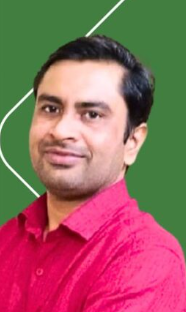
At Mindwala, Dr. Kundan Kumar Singh evaluates each patient holistically — because addiction rarely travels alone. It almost always co-exists with other psychiatric conditions such as depression, anxiety, or OCD.
10 Warning Signs of Addiction in a Family Member
Recognising addiction early is critical. Here are the most common signs to watch for:
- Sudden, unexplained changes in behaviour or mood
- Withdrawal from family, friends, and social activities
- Neglecting responsibilities at work, school, or home
- Secretive behaviour, lying, or hiding substances
- Financial problems — unexplained requests for money
- Physical changes — weight loss, poor hygiene, red or glazed eyes
- Increasing tolerance (needing more of the substance to feel the same effect)
- Withdrawal symptoms when the substance is not available (shaking, sweating, irritability)
- Failed attempts to stop or cut down on their own
- Continuing use despite health, legal, or relationship consequences
If you recognise three or more of these signs in yourself or a loved one, it is time to consult an addiction treatment specialist. Early intervention leads to significantly better outcomes. Contact Mindwala for a confidential assessment →
How to Help Someone with Addiction: A Guide for Families
One of the most searched questions across Bihar is: “How do I help someone with addiction?” If you’re a parent, spouse, or sibling of someone struggling, here is what actually works:
Do This:
- Express concern without blame — use “I” statements (“I am worried about you”) rather than accusations
- Educate yourself — understand that addiction is a disease, not a moral failing
- Encourage professional help — offer to accompany them to a doctor’s appointment
- Set clear, loving boundaries — enabling the addiction (giving money, covering up behaviour) prolongs it
- Take care of yourself — families of people with addiction need support too
Avoid This:
- Threatening or ultimatums made in anger
- Taking over all responsibility for their recovery
- Enabling substance use by minimising its impact
- Blaming yourself — addiction has complex biological and social roots
The psychiatry team at Mindwala provides family counselling as part of the addiction recovery process, helping everyone involved understand their role in supporting — but not enabling — the person in treatment.
What Does Addiction Treatment Actually Involve?
Many families in Bihar are unfamiliar with what professional addiction treatment looks like. Here is a clear breakdown of the stages:
Stage 1: Assessment and Diagnosis
The first step is a comprehensive psychiatric evaluation. The doctor assesses:
- The type and duration of substance use
- Severity of addiction and dependence
- Co-occurring mental health conditions (dual diagnosis)
- Physical health complications
At Mindwala, this assessment uses advanced psychodiagnostic tools. View our full diagnostic services →
Stage 2: Detoxification (Medical Withdrawal Management)
Detox is the process of safely removing the substance from the body under medical supervision. For certain addictions — particularly alcohol and opioids — withdrawal can be life-threatening without medical support (seizures, delirium tremens). Never attempt unsupervised detox for severe alcohol or drug dependence.
Stage 3: Psychiatric and Psychological Treatment
This is where real recovery begins. Effective addiction treatment combines:
- Medication-Assisted Treatment (MAT) — medications such as naltrexone, buprenorphine, or disulfiram to reduce cravings and prevent relapse
- Cognitive Behavioural Therapy (CBT) — helps patients identify and change thought patterns that drive substance use
- Motivational Interviewing (MI) — builds the patient’s own motivation and commitment to change
- Group therapy — peer support with others in recovery
- Family therapy — repairing relationships damaged by addiction
According to the National Institute on Drug Abuse (NIDA), a combination of medication and behavioural therapy is the most effective approach for most types of addiction.
Stage 4: Relapse Prevention and Aftercare
Recovery does not end when the substance stops. Long-term sobriety requires:
- Identifying and managing personal triggers
- Building a support network
- Regular follow-up consultations
- Lifestyle restructuring (sleep, exercise, stress management)
- Continued therapy when needed
Relapse is not failure — it is a common part of the recovery process. What matters is having a clear plan when it happens. Mindwala provides structured aftercare and follow-up for all addiction patients. Book your first consultation →
Alcohol Addiction Treatment in Patna: What You Need to Know
Alcohol use disorder is the most common addiction seen in clinical practice across Bihar. Families often wait years before seeking help because alcohol use is socially normalised — even when it has clearly become harmful.
Signs that drinking has become an alcohol use disorder:
- Drinking first thing in the morning
- Hiding alcohol from family members
- Shaking or sweating when not drinking
- Drinking alone regularly
- Memory blackouts
- Multiple failed attempts to stop
Alcohol withdrawal can cause severe physical complications including seizures and a dangerous condition called delirium tremens. Medical supervision is essential during the detox phase. Mindwala’s team can guide families through this process safely — both in inpatient and outpatient settings.
The Mayo Clinic confirms that medically supervised withdrawal followed by structured counselling significantly improves long-term sobriety outcomes compared to attempting to stop alone.
Drug Addiction Treatment in Patna, Bihar
Drug addiction — whether cannabis, opioids, or stimulants — follows the same neurological pathways as alcohol addiction but often involves additional complexity, particularly when multiple substances are used together (polysubstance use).
Mindwala’s addiction psychiatry services include:
- Personalised detox protocols for each substance
- Medication management for cravings and co-occurring conditions
- CBT and psychotherapy tailored for drug dependence
- OPD (outpatient), IPD (inpatient), and online consultation options
For patients from Gopalganj, Muzaffarpur, Darbhanga, or other districts of Bihar, online psychiatric consultations are available — making expert addiction care accessible without long-distance travel.
Dual Diagnosis: When Addiction and Mental Illness Co-Exist
One of the most overlooked aspects of addiction treatment is dual diagnosis — when substance use disorder occurs alongside a psychiatric condition. Research consistently shows that the majority of people with severe addiction also have at least one co-occurring mental health disorder.
Common dual-diagnosis combinations include:
- Alcohol + Depression — alcohol is often used to self-medicate low mood, but it worsens depression long-term
- Cannabis + Anxiety — cannabis may initially reduce anxiety but increases it over time
- Stimulants + Bipolar Disorder — stimulants can trigger manic episodes in susceptible individuals
- Opioids + Chronic Pain + Depression — a particularly complex combination
If dual diagnosis is not treated simultaneously, the chance of relapse remains very high. Mindwala’s neuropsychiatric approach ensures that both conditions are diagnosed and treated together — not separately. You can also read our related posts on depression and anxiety at night to understand how these conditions interact with addiction.
Why Choose Mindwala for Addiction Treatment in Patna?
Mindwala Mental Health Clinic, led by Dr. Kundan Kumar Singh (MBBS, DPM, MD), offers a distinct advantage over generic rehabilitation centres:
- Psychiatric-led treatment — addiction is managed as a medical condition, not just a behavioural one
- Psychodiagnostic assessment — advanced testing to identify co-occurring conditions
- Personalised treatment plans — no two patients receive the same programme
- Confidential environment — all consultations are strictly private
- OPD, IPD, and online options — flexible care formats to suit each patient’s situation
- Family involvement — families are educated and included in the recovery journey
- 10+ years of experience — with over 10,000 patients treated across Bihar
Online Addiction Consultation in Bihar
For many people across Bihar — especially in smaller towns and villages — the idea of visiting a psychiatric clinic still carries stigma. Mindwala’s online consultation service removes that barrier entirely.
You or your loved one can speak privately with Dr. Kundan Kumar Singh from home, receive a diagnosis, get a treatment plan, and begin medication — all without physically visiting a clinic.
📞 Patna: +91-95072 24487
📞 Gopalganj: +91-95070 40695
🌐 Book Online Consultation →